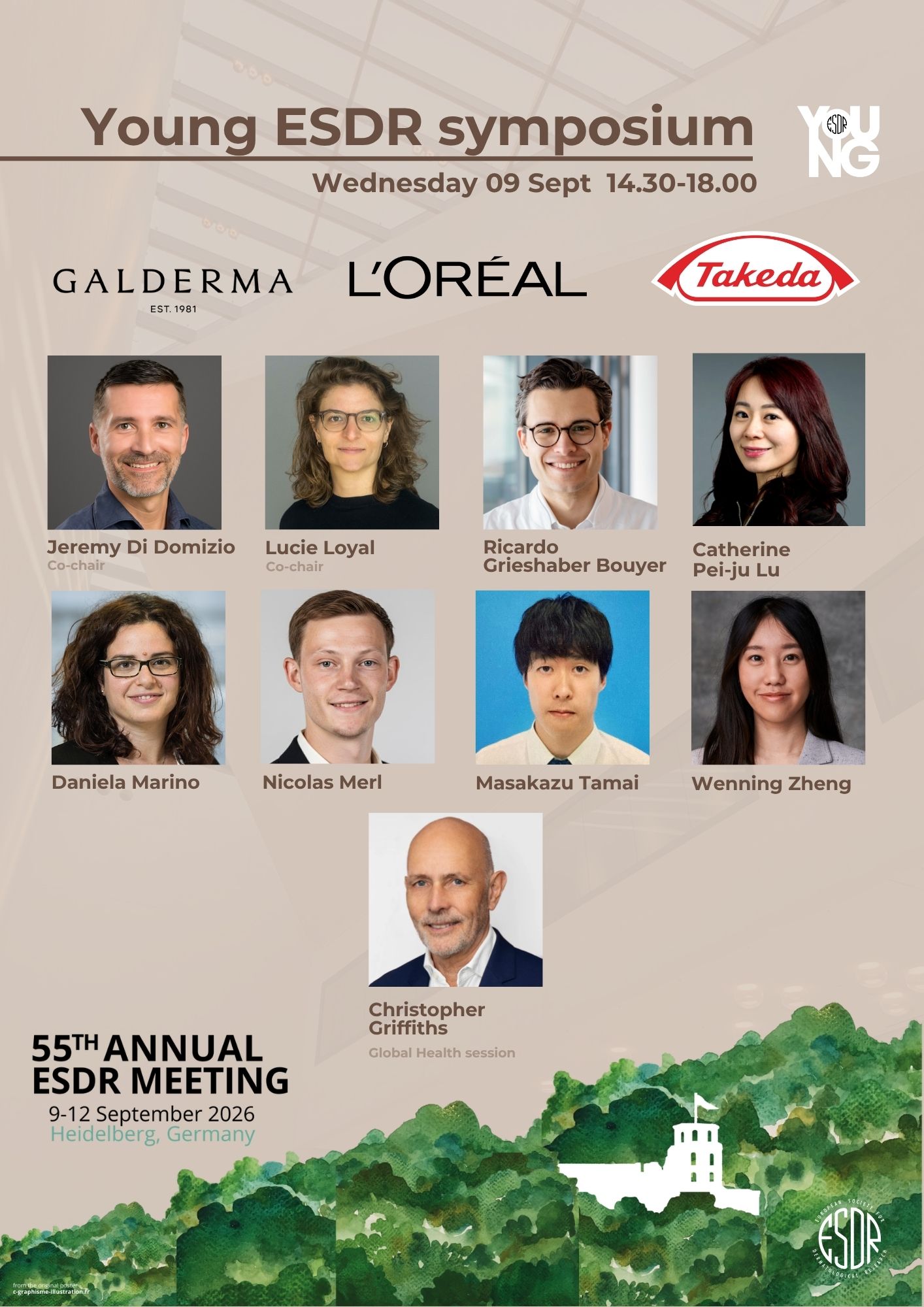
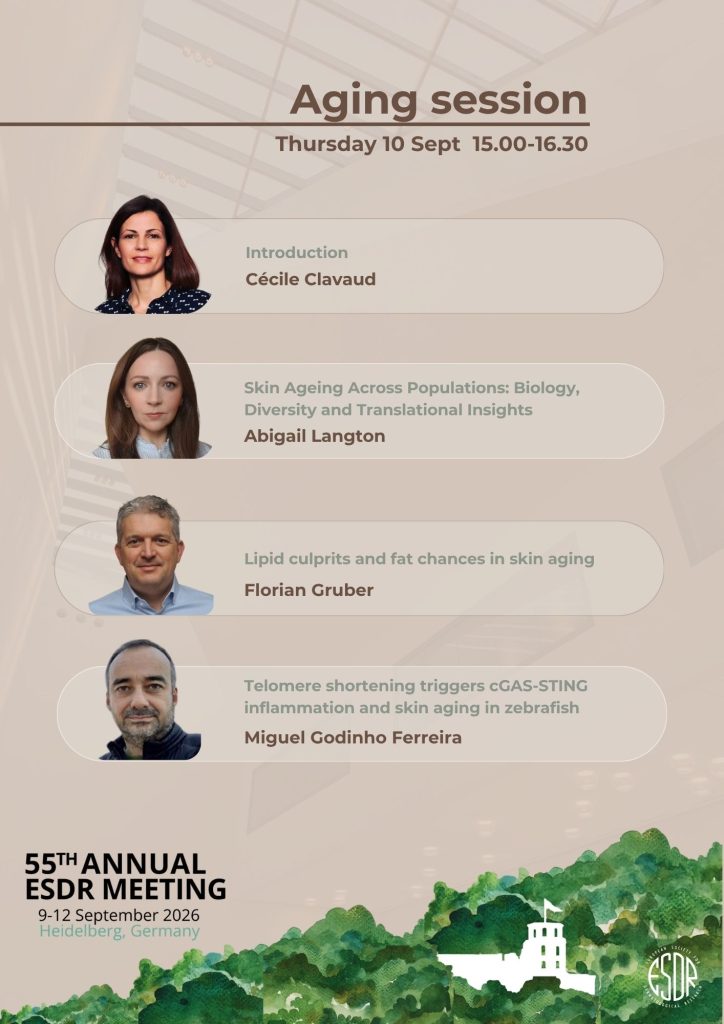
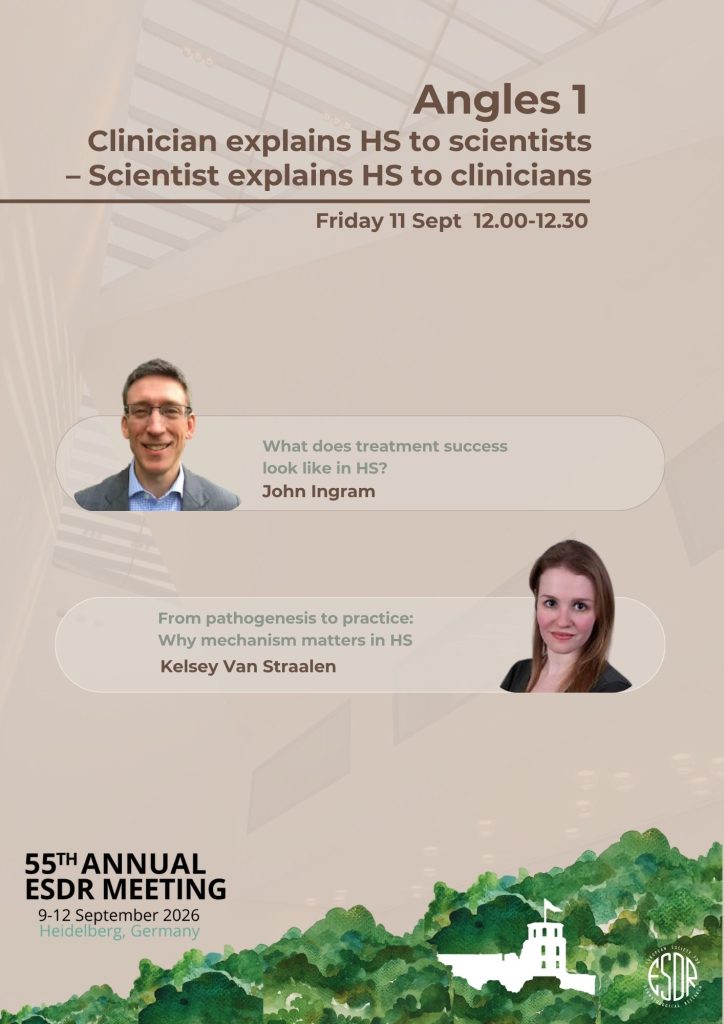
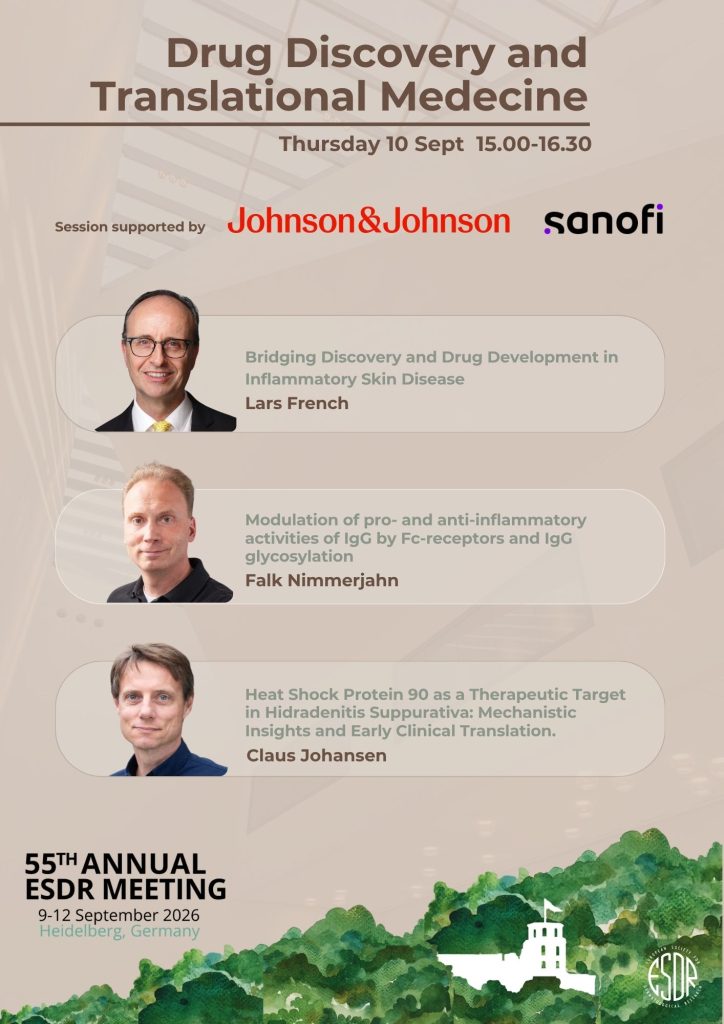
The Young ESDR symposium will bring together cutting-edge research and translational perspectives on inflammatory skin diseases and skin repair. We have gathered rising stars from international dermatological research societies, providing a platform for the audience to discover and learn from outstanding early-career researchers.
The program will also highlight the journey from academic discovery to clinical application, featuring sessions on tissue-based therapies and advances in targeted treatments for autoimmune diseases. In addition, participants will discover how emerging technologies such as AI can be exploited for public engagement and disease prevention. This symposium offers a unique opportunity to learn from diverse disciplines, promote cross-field connections, and stay at the forefront of innovation in dermatological research.
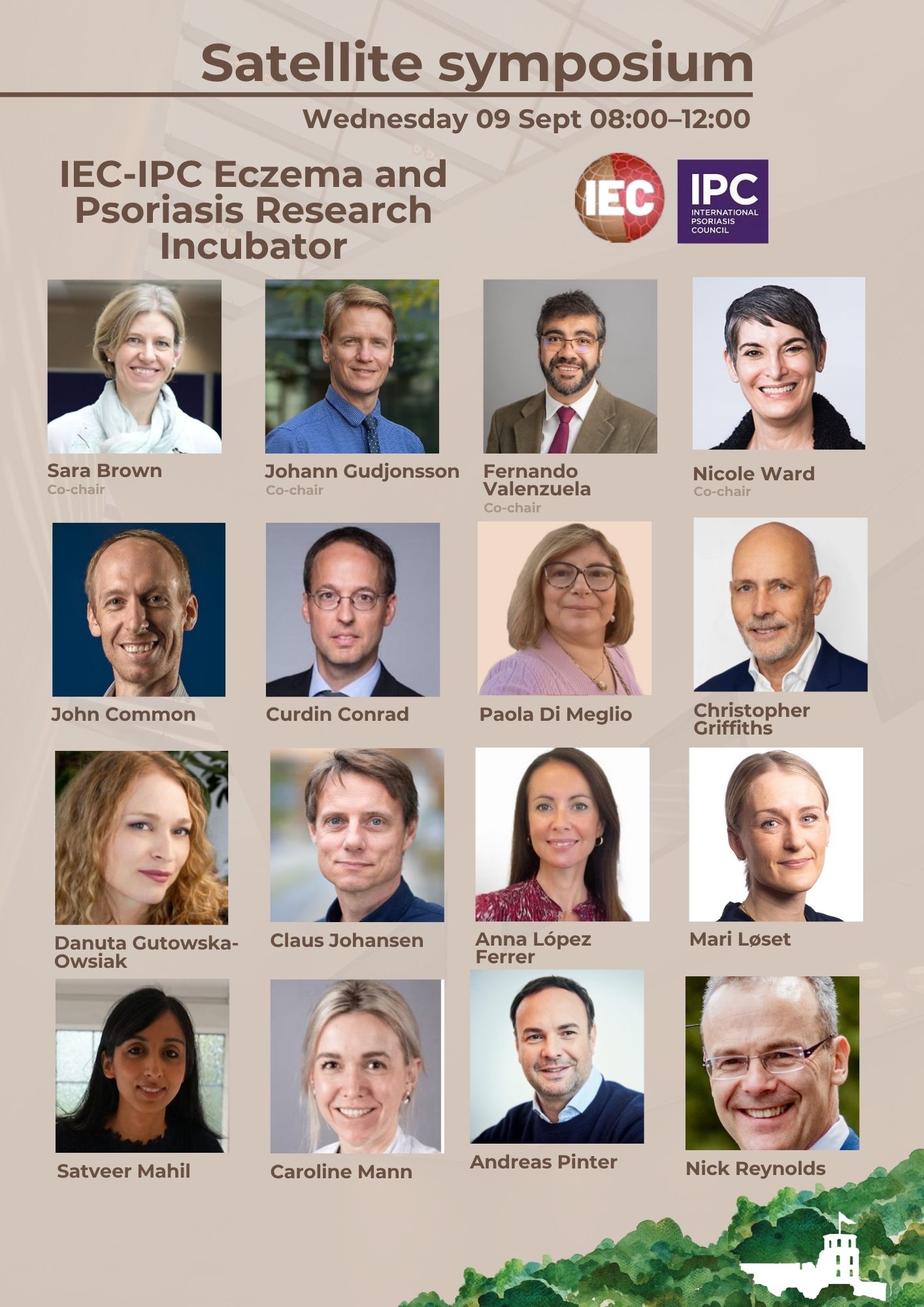
The IEC–IPC Eczema and Psoriasis Research Incubator is a pre-congress, interactive forum designed to catalyze cross-disciplinary collaboration and accelerate innovation across inflammatory skin diseases. Featuring keynote presentations from global thought leaders, the program moves from cutting-edge insights into disease mechanisms and precision stratification to data-driven, translational approaches that inform real-world practice. Participants will engage in rapid-fire early-career presentations and structured small-group “Challenge Labs” focused on priority research themes, with the goal of identifying actionable gaps and shaping collaborative project concepts. This highly interactive format emphasizes practical outcomes, new partnerships, and sustained engagement beyond the session. Early-career investigators are strongly encouraged to apply.
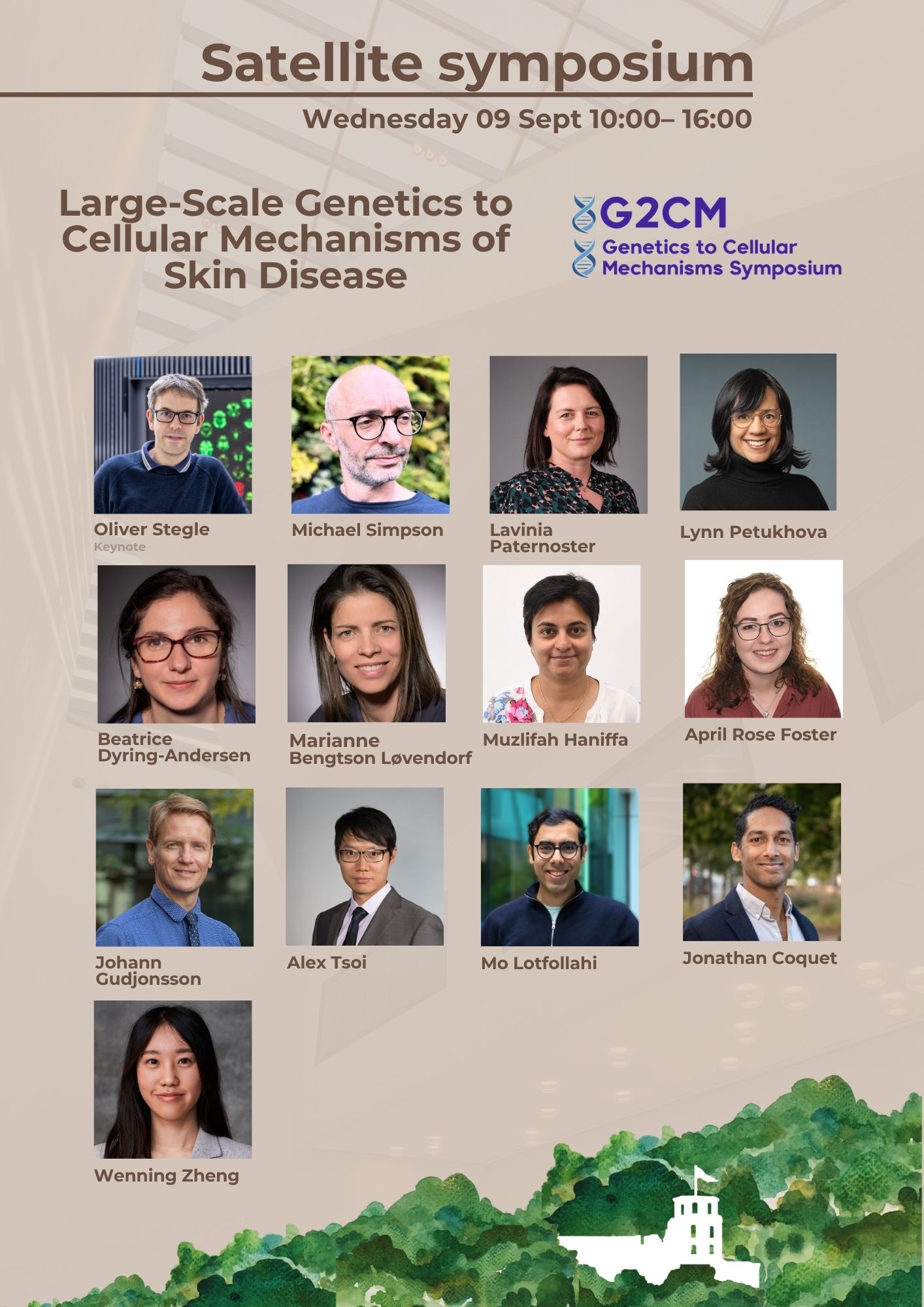
This one-day event will explore how our growing atlas of genetic associations for skin disease can provide new insights into disease processes; through the integration of deep molecular phenotyping, from proteomics to single-cell and spatial expression, and how advanced AI methodologies can leverage these data to build foundational understanding of disease processes. The programme features presentations from a series of large-scale genetic, molecular, and cellular phenotyping initiatives, including the Skin Genetics Consortium, Human Skin Atlas and Human Cell Atlas. The event will also include selected lightning talks from early career researchers, and opportunities for discussion and networking.
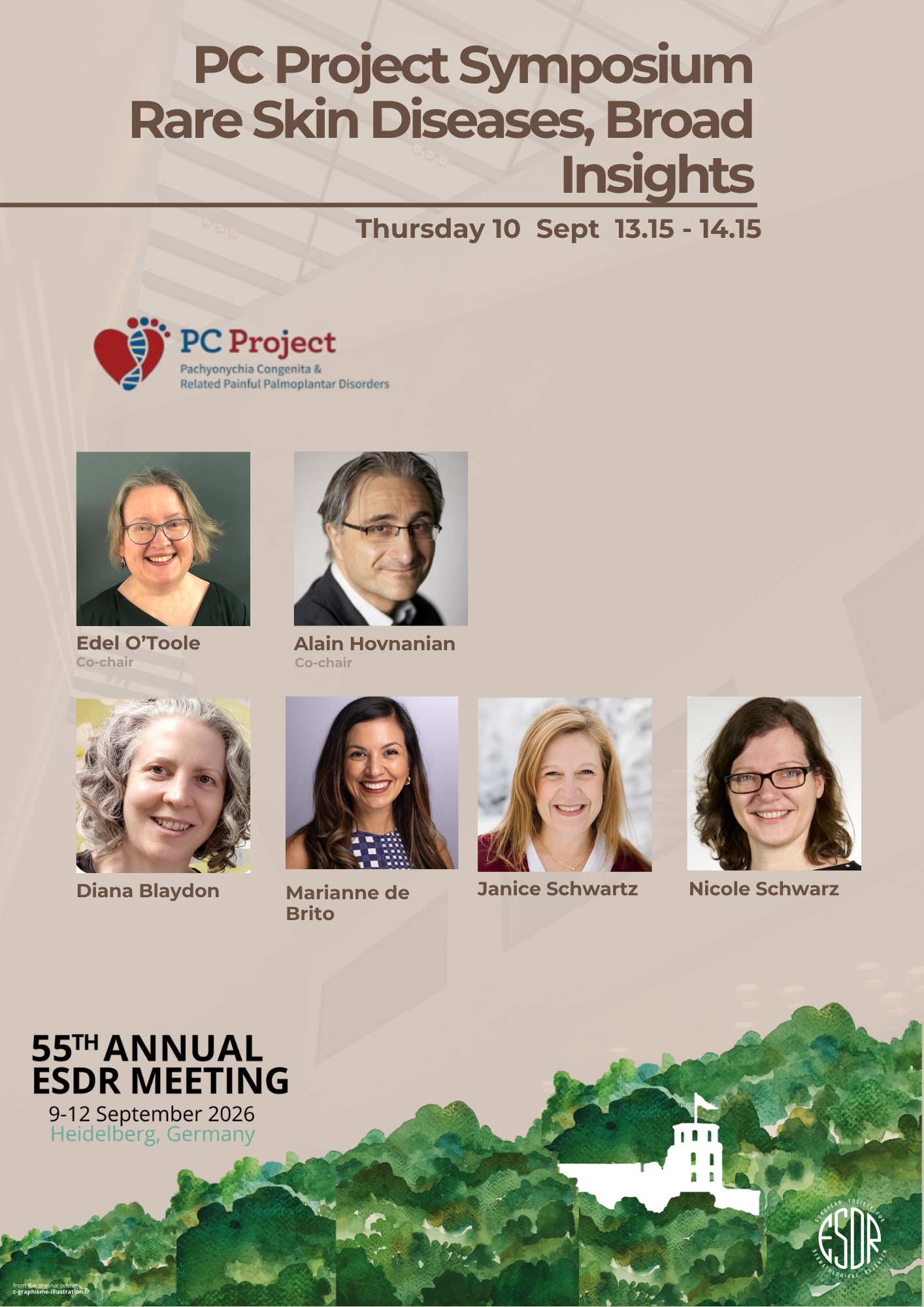
Rare Skin Diseases, Broad Insights: From Keratin Biology to Therapeutic Innovation
This session will highlight recent scientific and clinical advances in pachyonychia congenita and related painful palmoplantar epidermal differentiation disorders. These are debilitating genetic diseases that severely limit mobility and decrease quality of life. Presentations will cover disease mechanisms, innovative disease models, and emerging therapeutic strategies, demonstrating how rare skin disorders can provide broad insights into skin biology and translational medicine.
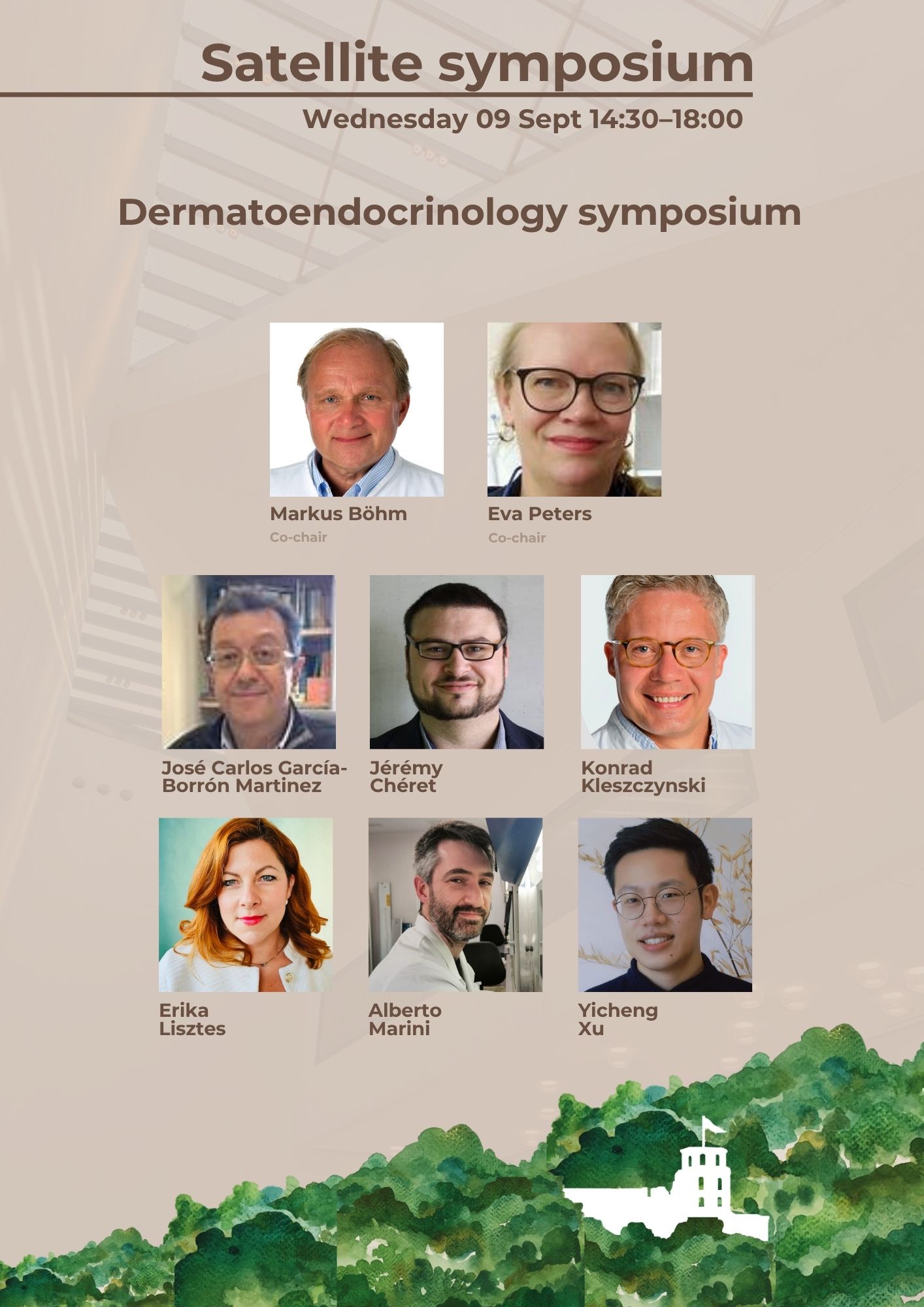
Being the 12th ESDR Satellite Meeting on Dermatoendocrinology this symposium will highlight recent developments of hormones and (neuro)endocrine mediators that impact on skin. We will highlight recent research findings, ideas and concepts with relevance for basic skin biology but also for clinical dermatolgy in an interdisciplinary manner.
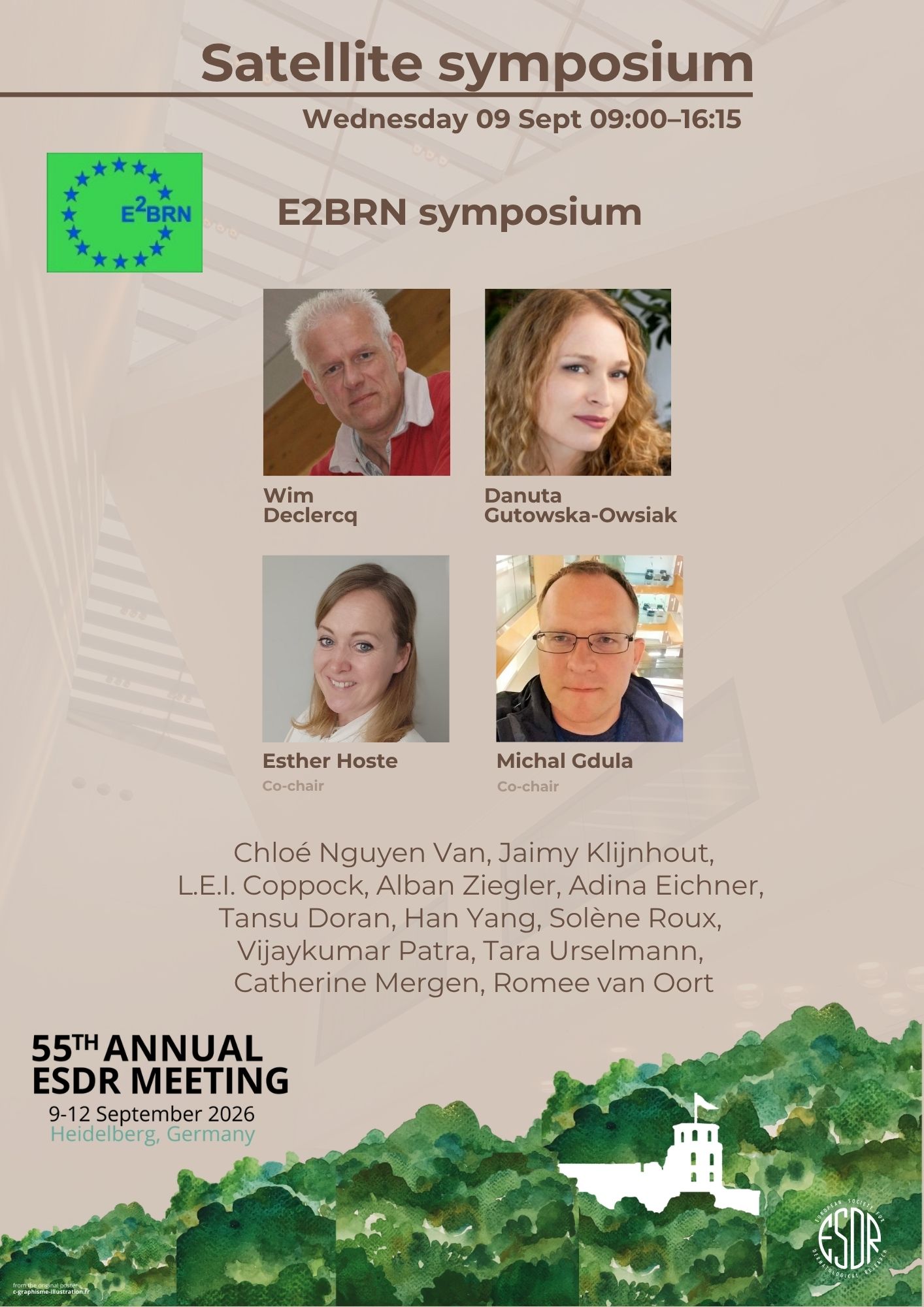
E2BRN We are very pleased to welcome their two keynote speakers: 🔹 Prof. Danuta Gutowska-Owsiak — University of Gdańsk, Poland 🔹 Prof. Wim Declercq — Ghent University, Belgium Their keynote lectures will be among the highlights of this year’s E2BRN program, bringing together researchers working on different aspects of the epidermal barrier, spanning epidermal biology, keratinocyte biology, wound healing, and inflammation. The program also features Young Investigator talks, selected presentations, and poster sessions, providing plenty of opportunities to hear about new research, exchange ideas, and connect with colleagues across the E2BRN community.
To conclude our day together, we will meet for dinner at Das Bootshaus. It provides the perfect setting to unwind after a productive day and continue discussions in a more informal environment.